
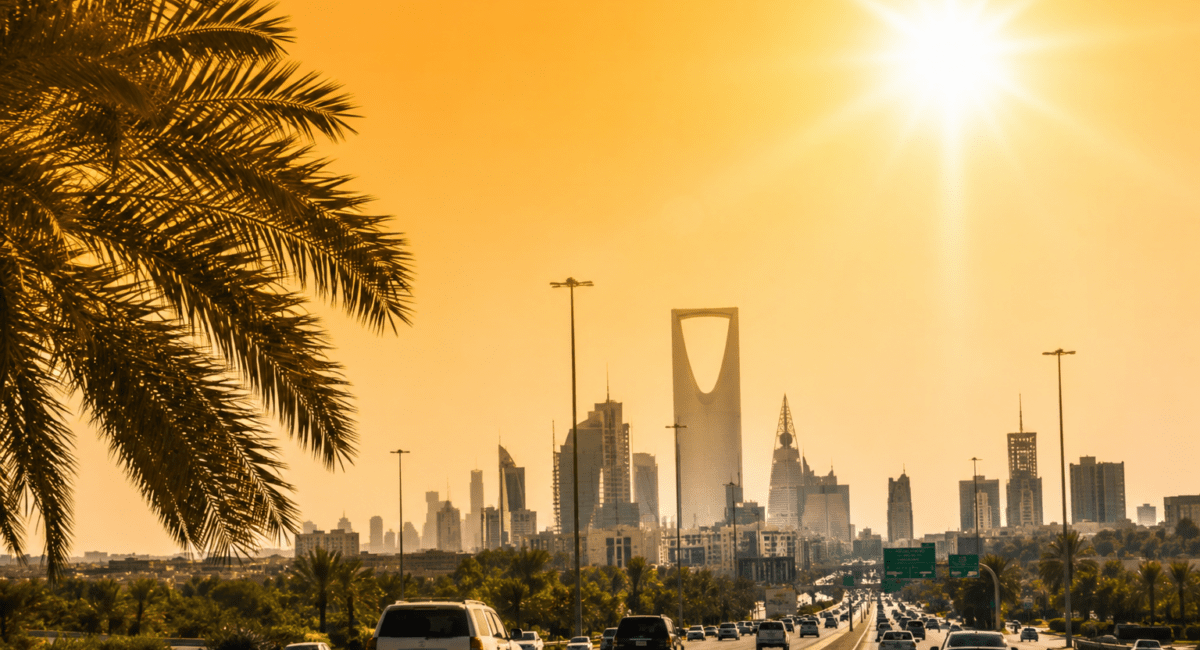
July Confirmed as Saudi Arabia’s Hottest Month by 40-Year Climate Analysis
RIYADH: Saudi Arabia is approaching the peak of its summer season, with long-term climate data confirming that July consistently ranks as the hottest month of the year across the Kingdom.
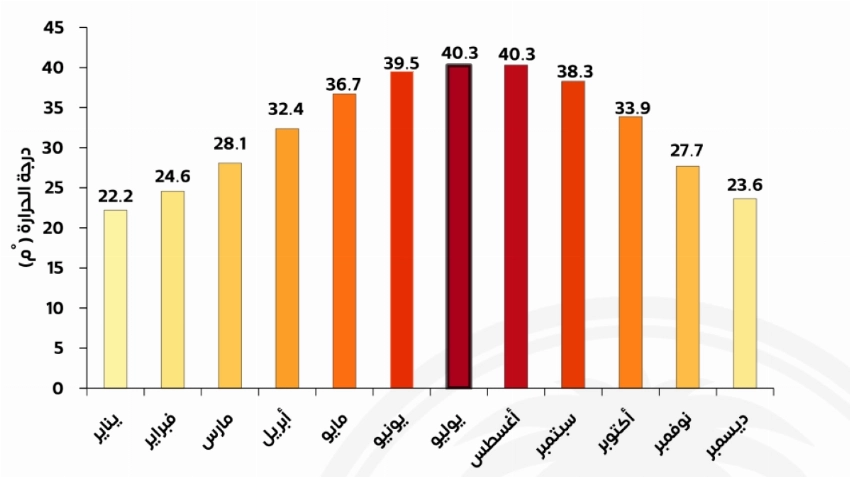
According to a report by the National Center for Meteorology (NCM), which analyzed weather records from 1985 to 2025, July records an average temperature of 33.1°C, while the average maximum temperature reaches 40.3°C. Average rainfall during the month stands at 3.34 mm, based on the 1991–2020 climate reference period.
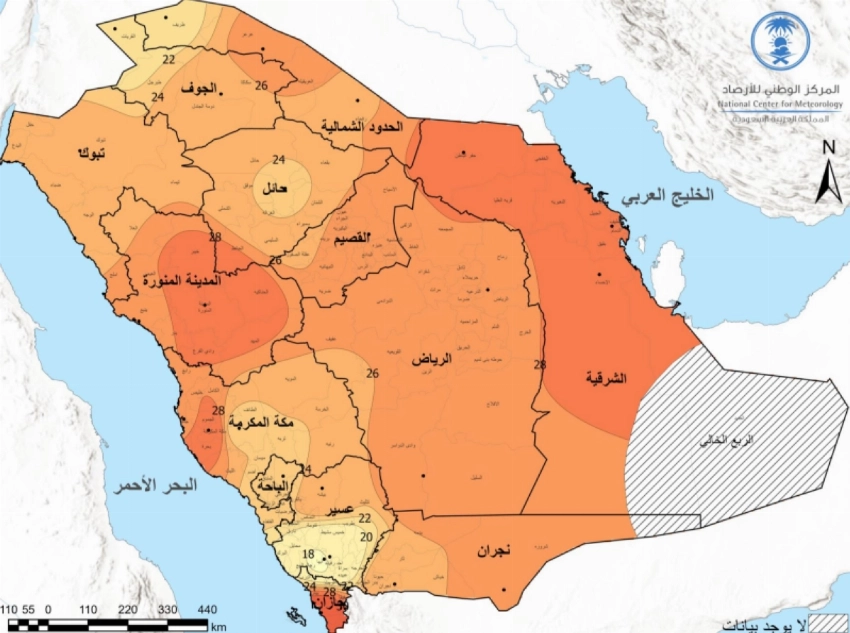
The highest average July temperatures are typically recorded across the Eastern Province and much of central Saudi Arabia, where maximum temperatures can exceed 44°C. In contrast, cooler conditions are generally observed in the southwestern highlands, including Asir, Al-Baha, and Taif.
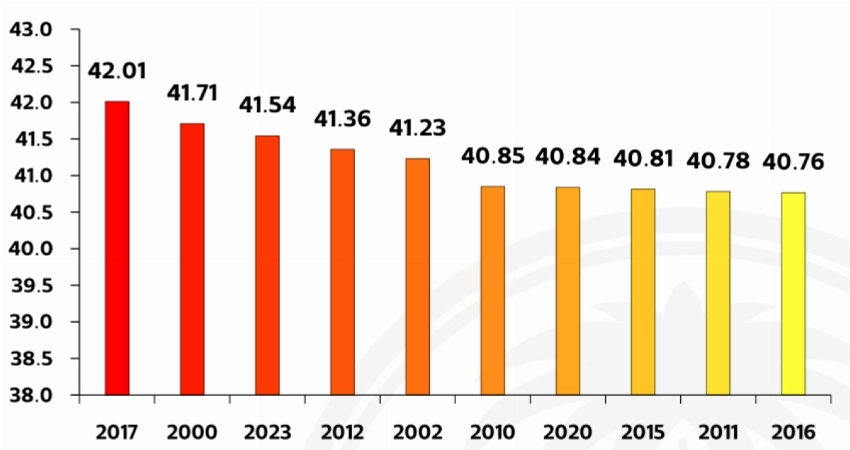
Climate records show that 2017 registered the highest average maximum temperature during July within the 2016–2025 period, reaching 42.01°C. The lowest average maximum temperature during the same period was recorded in 2022 at 39.66°C.
Among monitored locations, Al-Ahsa recorded the highest July temperature, reaching 51.3°C on July 12, 2024. Rafha followed with 51.1°C on July 30, 2020, while Dammam reached 50.8°C on July 12, 2024. Al-Qaisumah also recorded 50.6°C on July 16, 2010, and again on July 31, 2020.
In terms of prolonged extreme heat, Al-Ahsa experiences temperatures of 45°C or higher for an average of 24 days during July, the highest frequency among monitored stations. Dammam and Al-Qaisumah each average 18 such days, while Wadi Al-Dawasir records around 13 days above the 45°C mark.
Although much of Saudi Arabia remains largely dry during July, rainfall is generally concentrated in the southwestern and southern regions, particularly across the mountainous areas of Asir, Jazan, and Al-Baha.
Khamis Mushait records the highest average July rainfall at 22.5 mm, followed closely by Abha with 22.0 mm and Jazan with 16.4 mm. Most central, northern, and eastern regions receive minimal rainfall during the month.
Rainfall levels have varied considerably over the years. During the last decade, 2020 recorded the highest average July rainfall at 15.12 mm, while 2023 recorded the lowest at just 0.12 mm.
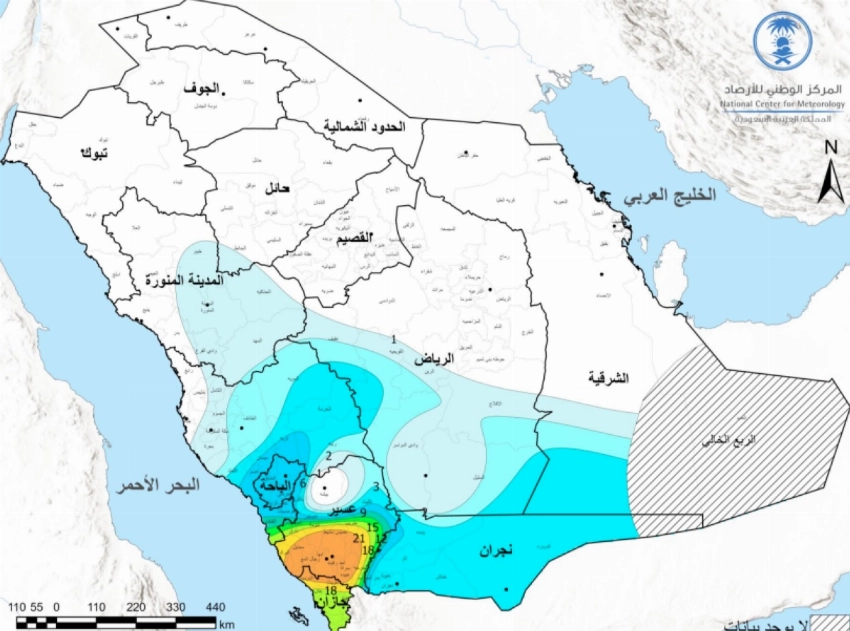
The report also highlighted several significant rainfall events, including 67.2 mm recorded in Jazan on July 26, 1995 — the highest daily July rainfall among monitored stations. Other notable events include 47 mm in Wadi Al-Dawasir on July 30, 2012, 46.8 mm in Al-Baha on July 31, 1986, and 40 mm in Khamis Mushait on July 29, 2006.